An independent journal on records preservation, conservation and the archives that hold a town’s memory.

For clerks, recorders, archivists, records managers and the volunteers who look after the paper trail of daily life.

Preserving the past, for use

The paper trail of daily life

Deeds, plats, birth and marriage registers, council minutes: the records that prove who owns what and who was born where are still, in most towns, bound volumes on a shelf. Heat, damp, handling, old tape and acidic paper wear them down a little every year. The Ledger is written by people who have worked those shelves – clerks, a conservator, a digitization lead, a records consultant and a local archivist – and it explains, plainly, how to keep the originals readable and the copies trustworthy.

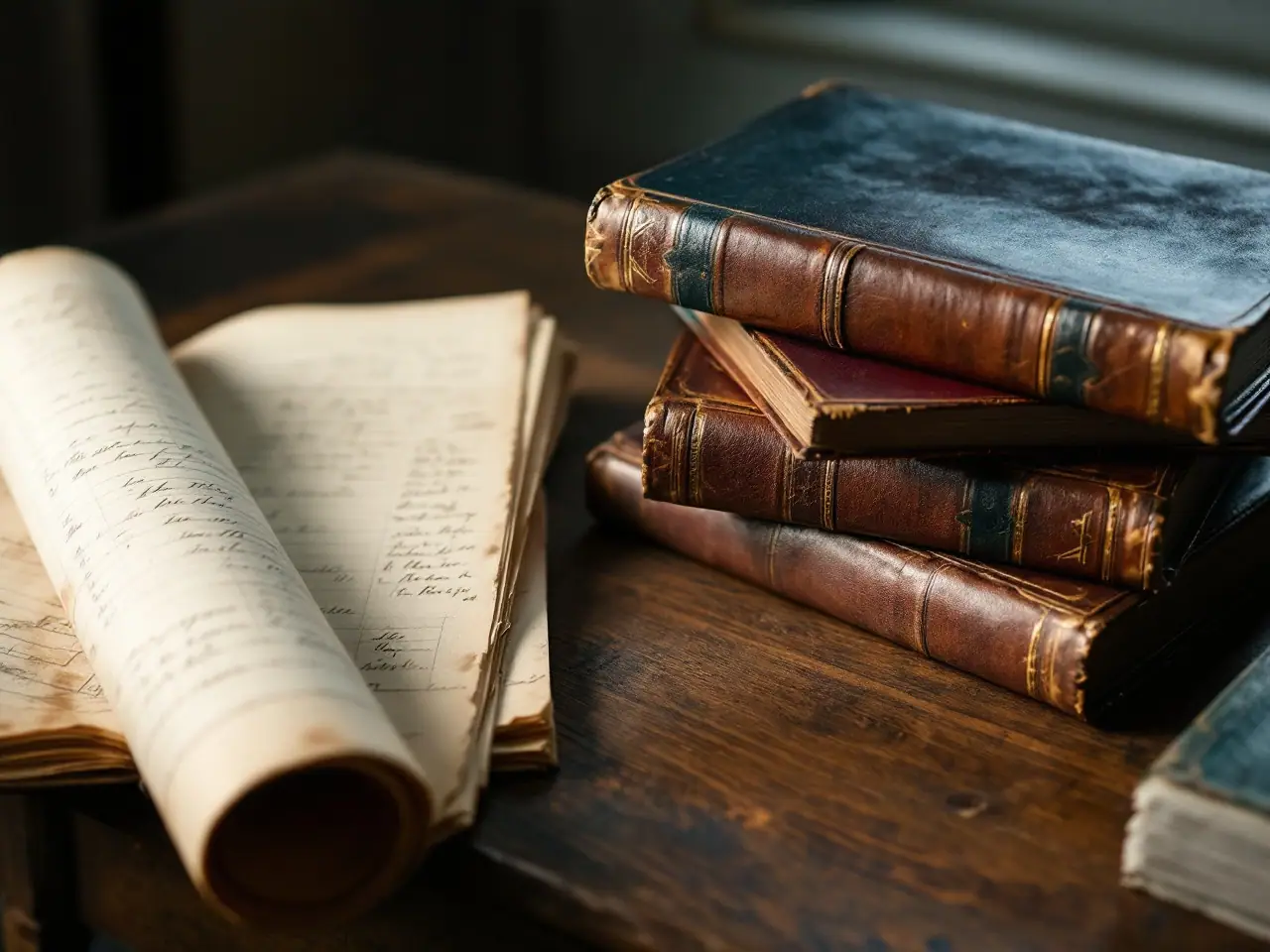
Old leather-bound record volumes and a hand-drawn survey map on a wooden table in soft window light

How long does a record last?

It depends on what it is written on – and on how it is kept. Rough orders of magnitude, assuming good storage:

Centuries

for well-made rag or permanent paper kept cool, dry and dark. Acidic wood-pulp paper needs help much sooner.

LE-500

the life-expectancy rating of polyester silver-gelatin microfilm stored to extended-term conditions.

5–10 yrs

a sensible refresh cycle for digital storage media. Files outlive their disks only when someone migrates them.

Latest from the Ledger

Every article →

Write to the Ledger

Found a mistake, solved a problem we haven’t covered, or rescued a run of volumes worth writing about? The editors read every letter, and the best questions become articles.

Send a letter